Verified Hazardous Tree Pricing Factors
Explore Essential Tree Service Practices for Maximum Tree Health
Knowing how to care for trees is crucial for keeping the surroundings healthy. Crucial methods such as mulching and pruning are vital factors in promoting tree vitality. Furthermore, the right way to water are crucial for root establishment. Yet, many people overlook the signs of tree diseases and the importance of hiring professionals. Looking into these areas can result in a better understanding for arboriculture and trees. What measures can be adopted to help their trees grow strong?
Grasping the Value of Healthy Trees
Understanding the importance of tree health is essential, as trees are key players in preserving the ecosystem's equilibrium and making urban areas better. Vibrant trees help improve the quality of the air, give shelter, and support wildlife habitats. Furthermore, they help lessen global warming by sequestering carbon dioxide, proving their necessity for a sustainable environment.
In city environments, healthy urban trees enhance the appearance, raise the value of homes, and promote community well-being. Their presence can reduce the urban heat effect in cities, resulting in reduced utility bills.
Ignoring tree maintenance, conversely, can lead to illness, bug invasions, and weakness in structure, presenting hazards to infrastructure and the trees themselves. As a result, recognizing the indicators of tree health, such find here as leaf coloration, how the tree is growing, and the state of the bark, is essential for effective management. Ultimately, promoting tree health benefits not just personal gardens but the wider ecological system, stressing the importance for proactive care and care methods.
Vital Trimming Practices
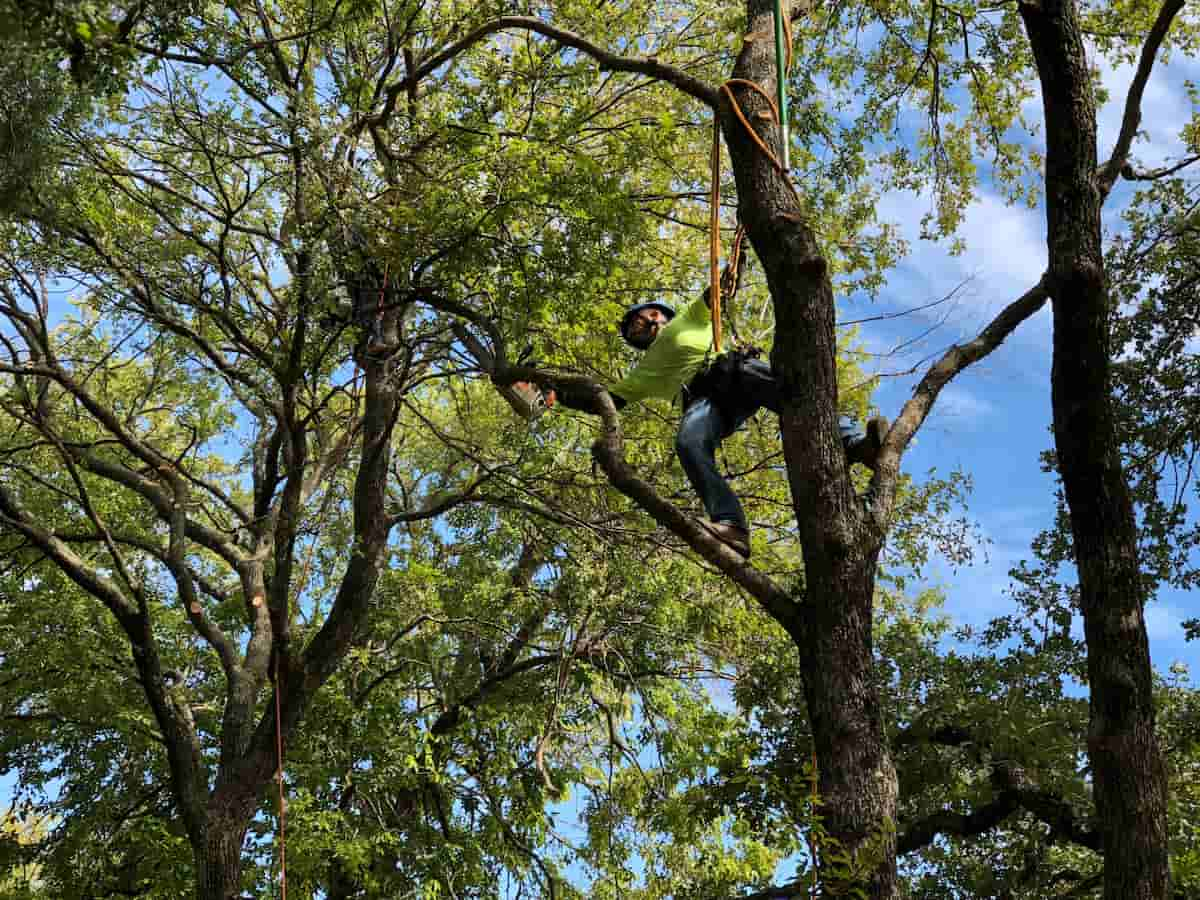
Cutting branches is a vital method in tree care that guarantees ideal growth and health, as it removes dead or diseased branches and improves air circulation within the canopy. Using the right methods makes certain that trees can thrive in their environment.
One fundamental technique is "thinning," which involves selectively removing branches to enhance light penetration and decrease stress on weaker parts. 'Heading back' are another method, where the tips of branches are trimmed to encourage thicker growth, mainly in juvenile trees. Furthermore, the 'crown reduction' technique decreases the size and reach of a tree and retaining its natural structure.
Timing is essential; trimming when the tree is resting reduces strain and promotes better wound closure. Equipment needs to be clean and honed to minimize harm and disease transmission. Grasping these critical pruning practices is vital for every arborist aiming to maintain healthy and aesthetically pleasing trees.
Identifying Common Tree Diseases
What helps tree owners spot the indicators of typical illnesses that threaten their trees? Knowing the particular signs is essential for early detection and intervention. Common indicators include discolored or wilting leaves, suggesting potential fungal issues or a lack of necessary nutrients. Abnormal formations, like cankers or galls, may indicate insects are present or pathogens that weaken the tree. Furthermore, peeling bark or oozing sap can be a sign of disease that require immediate attention.
Owners must also monitor changes in tree structure, like premature leaf shedding or dead branches, which might indicate a serious problem beneath the surface. Watching for evidence of bug problems, like frass or bore holes, is just as critical. By remaining vigilant and proactive, they can recognize these typical illnesses and seek appropriate remedies, ensuring their trees remain healthy and vibrant across the different seasons.
The Role of Mulching in Tree Care
Applying mulch is a vital method in tree care, giving various benefits which encourage strong development and resilience. It involves applying a layer of organic or inorganic material around the base of a tree, which helps retain soil moisture, preventing weed growth, and stabilizing soil warmth. This insulating layer not only reduces competition from unwanted vegetation but also improves the look of the yard.
Furthermore, organic mulches, like bark or wood chips, decompose over time, enriching the soil with crucial nutrients and enhancing the soil's composition. This natural breakdown supports root development and creates a more robust setting for the growing tree. Additionally, mulching can prevent the erosion of soil, thereby stabilizing of the tree’s base. Appropriately spread mulch needs to be arranged in a donut shape, keeping it away with the trunk to prevent rot. In summary, incorporating mulching into tree care routines significantly aids to the long-term health of trees.
Effective Watering Techniques for Trees
Effective tree care requires not only mulching but also appropriate watering techniques to promote the best growth and health. Trees, specifically new plantings, require steady hydration to establish strong root systems. Deep hydration is crucial, as it encourages roots to grow downwards where moisture is more consistent. Preferably, trees should receive about an inch of water per week, either via rain or extra irrigation.
It is best to water early in the morning to reduce evaporation and fungal diseases. It is important to avoid overwatering, which may result in root rot and other issues. Check the ground for moisture before watering; if the top two inches are dry, then watering is necessary. Moreover, utilizing drip irrigation or drip irrigation delivers a gradual, continuous stream of water, guaranteeing trees are sufficiently hydrated without the risk of runoff. Effective hydration techniques significantly aid to the overall health of trees.
Retaining Specialized Tree Care: Reasons and Necessity
In evaluating the health and aesthetics of a property, retaining specialized arborists can be crucial for homeowners facing complex tree care needs. Trained arborists hold the expertise to determine tree vitality, recognize pathogens, and execute beneficial procedures. They also understand local regulations regarding tree removal and maintenance, ensuring adherence and sidestepping fines
(Stillwater Tree Service)Homeowners should consider hiring professionals when dealing with big trees, particularly those near structures or power lines, as improper handling can pose safety risks. Furthermore, trees requiring pruning for aesthetic or health reasons profit from the expertise of trained specialists who can execute precise cuts to encourage development
Routine seasonal work, such as preparing for storms and post-storm tidying, need professional assistance to ensure site security and appearance. Ultimately, engaging professional tree services guarantees that trees receive ideal care, thereby enhancing the entire outdoor space and property value
Commonly Asked Questions
What Are the Signs if My Tree Is Overwatered?
Overwatering often leads to foliage turning yellow, drooping even when the ground is wet, rotting root systems, and significant defoliation. Additionally, the appearance of mushrooms around the base often suggests slow soil percolation and excess moisture.
When Should I Schedule for Tree Pruning?
The ideal season for trimming is usually between late winter and the start of spring prior to bud break - Stillwater Tree Service. Pruning at this time encourages vigorous development and minimizes stress on the tree, facilitating quick recovery and development
Is It Possible for Trees to Survive Major Storm Damage?

Absolutely, trees are capable of recovering from major storm damage. Given the right attention, such as pruning damaged limbs and ensuring sufficient hydration and feeding, a lot of trees can become healthy again and keep growing strong following a stressful event.
What Should I Look For When Choosing the Right Mulch for My Trees?
In order to pick the best mulch, it is best to use organic options like wood chips or bark, guarantee proper depth of 2-4 inches, and keep mulch away from the tree collar to prevent disease.
Are Some Trees Higher Maintenance Than Others?
Specific varieties, for instance, new plantings and orchard trees, demand more care owing to their vulnerability to weather fluctuations and specialized fertilization demands. Consistent observation and customized care routines are essential for their health and flourishing.